

Whether you’re playing Sunday league, academy football or competing at a higher level, your soccer player diet can have a major impact on how you train, recover and perform.
Football is a demanding sport. A typical match involves repeated sprinting, accelerations, changes of direction and periods of lower-intensity movement. That means your body needs enough energy to perform while also having the nutrients required to recover afterwards.
The good news is that you don’t need an extremely complicated diet.
For most footballers, getting the basics right—enough carbohydrates, sufficient protein, healthy fats, fluids and overall calories—will make a much bigger difference than obsessing over individual supplements.
This guide explains what a practical soccer player diet can look like throughout the day, including what to eat before training, during matches and after playing.
What Should a Soccer Player Diet Include?
A good football diet should provide enough energy to support training while supplying the nutrients needed for recovery.
The main components are:
| Nutrient | Why it matters | Good sources |
|---|---|---|
| Carbohydrates | Fuel for training and matches | Rice, pasta, potatoes, oats, bread, fruit |
| Protein | Muscle repair and recovery | Chicken, eggs, fish, Greek yoghurt, milk, whey |
| Healthy fats | Energy and overall health | Nuts, seeds, olive oil, avocado, oily fish |
| Fluids | Hydration and performance | Water, milk, electrolyte drinks |
| Micronutrients | General health and body function | Fruit, vegetables, whole grains |
There’s no single perfect soccer player diet. Your requirements will depend on your age, body size, training volume, position, goals and match schedule.
Carbohydrates: The Main Fuel for Football
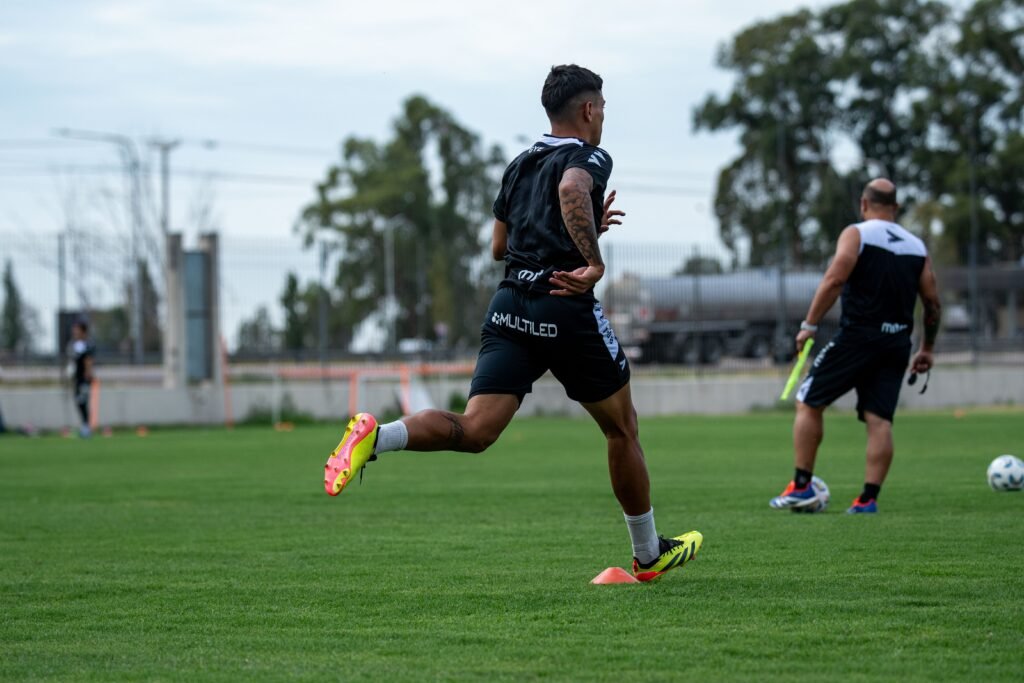
If there’s one part of football nutrition that players frequently underestimate, it’s carbohydrates.
High-intensity exercise relies heavily on carbohydrate availability, and football involves repeated bursts of high-intensity activity.
Good carbohydrate sources include:
- Rice
- Pasta
- Potatoes
- Oats
- Bread
- Cereals
- Bananas
- Other fruit
- Couscous
- Whole grains
You don’t need to eliminate carbohydrates because you’re trying to stay lean.
For a footballer, carbohydrates are an important source of training fuel.
Before training
A carbohydrate-rich meal several hours before training can help provide energy without leaving you feeling excessively full.
For example:
Chicken + rice + vegetables + fruit
or:
Pasta + lean meat + tomato sauce
Before a match
Your pre-match meal should generally be familiar, easy to digest and carbohydrate-focused.
A simple option could be:
Chicken + rice + banana + water
Avoid experimenting with unfamiliar foods immediately before an important match.
Protein for Footballers
Protein is important because football training places stress on your muscles.
A good soccer player diet should include regular protein sources throughout the day rather than relying entirely on one huge protein-rich meal.
Good options include:
- Chicken
- Turkey
- Eggs
- Fish
- Lean beef
- Greek yoghurt
- Cottage cheese
- Milk
- Beans
- Lentils
- Whey protein
How much protein do soccer players need?
Your exact requirements depend on factors such as body weight and training volume.
For a competitive footballer, a useful general target is around 1.4–2.0 g of protein per kg of body weight per day, with the higher end potentially being useful during periods of intense training or when trying to maintain muscle while reducing calories.
Rather than obsessing over hitting an exact number every day, focus on getting a meaningful protein source into your meals consistently.
What to Eat Before Soccer

Your pre-training or pre-match meal should provide energy without causing stomach discomfort.
2–4 hours before playing
A balanced meal could contain:
- A substantial carbohydrate source
- Moderate protein
- Some fruit or vegetables
- Fluids
Examples:
Chicken and rice
Pasta with lean beef
Jacket potato with tuna
Oats with yoghurt and banana
The closer you get to kick-off, the more you may want to prioritise easily digested foods.
What to Eat 30–60 Minutes Before Soccer
If you’re hungry shortly before playing, keep the snack relatively simple.
Examples include:
- Banana
- Toast with honey
- Cereal bar
- Low-fat yoghurt
- Small piece of fruit
You don’t need a massive meal immediately before stepping onto the pitch.
What to Eat During a Soccer Match
For many recreational footballers, water may be sufficient during a standard match, particularly if they’ve eaten properly beforehand.
However, carbohydrate and electrolyte intake can become more relevant during longer or particularly demanding sessions.
For example:
- Water
- Sports drinks
- Electrolyte drinks
- Easily consumed carbohydrate sources
This becomes particularly important during long training sessions, tournaments, hot weather or multiple matches in one day.
What to Eat After Soccer
Post-match nutrition is where your soccer player diet can help support recovery.
Try to combine:
Protein
For muscle repair.
Carbohydrates
To replenish energy stores.
Fluids
To replace water lost through sweating.
A simple recovery meal could be:
Chicken + rice + vegetables + fruit
or:
Eggs + toast + fruit + yoghurt
You don’t need to immediately consume a complicated supplement stack.
A normal meal can provide everything you need.
Where Protein Shakes Fit Into a Soccer Player Diet

Protein shakes aren’t essential for footballers.
They’re simply a convenient way of consuming protein when getting enough from normal food is difficult.
For example, if you have training immediately after work or school and won’t have time for a proper meal, a protein shake can be convenient.
This is where a product such as Bulk whey protein could potentially fit into a footballer’s routine.
Looking for a convenient way to increase your protein intake? See our guide to the [best protein shakes for soccer players].
Creatine and Soccer
Creatine is another supplement that footballers may consider.
Creatine is one of the most extensively researched sports supplements and can support high-intensity exercise performance and strength adaptations.
However, it isn’t a replacement for a good diet.
Your priorities should generally be:
Food → Hydration → Sleep → Training → Supplements
rather than immediately buying multiple supplements.
If you’re interested in creatine specifically, check out our guide below:
Creatine for Soccer Players: Benefits, Dosage and How It Works
Or if you’re concerned about which Creatine will be beneficial to you, then check our guide below:
Best Creatine for Soccer Players: Bulk vs MyProtein vs 4 Him & Her
A Sample Soccer Player Diet
Here’s an example of what a day could look like.
Breakfast
Oats + milk + banana + berries + Greek yoghurt
Provides carbohydrates, protein and fluids to start the day.
Mid-morning snack
Fruit + yoghurt + handful of nuts
Lunch
Chicken + rice + vegetables + fruit
Pre-training snack
Banana + toast with honey
Post-training
Whey protein shake + banana
This is an example of where a Bulk affiliate product could naturally fit.
Dinner
Salmon + potatoes + vegetables
Evening snack
Greek yoghurt + berries
This isn’t a prescribed diet. Your calorie and nutrient requirements will depend on your individual circumstances.
Soccer Player Diet on Match Day
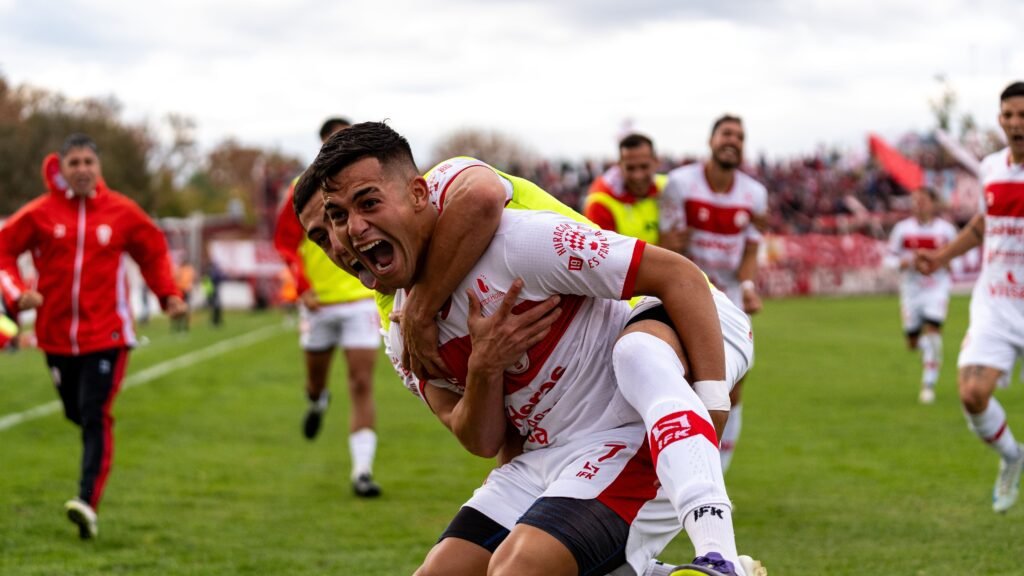
Match day nutrition deserves slightly more attention.
Breakfast
Focus on familiar carbohydrate-rich foods.
Example:
Oats + banana + yoghurt + honey
Lunch
Several hours before kick-off:
Chicken + rice + vegetables + fruit
Pre-match snack
If required:
Banana + toast/honey
During the match
Water
Potentially carbohydrate/electrolyte drinks depending on conditions and match demands.
After the match
Aim for:
Protein + carbohydrates + fluids
For example:
Chicken wrap + fruit + yoghurt + water
What About Supplements?
Supplements can have a place in a soccer player diet, but they shouldn’t become the foundation of it.
Potentially useful products include:
- Whey protein
- Creatine monohydrate
- Electrolytes
- Sports drinks
- Carbohydrate products
But the correct approach is:
Use supplements to complement your diet, not replace it.
This is particularly important for younger footballers, who should prioritise a balanced diet and seek appropriate professional guidance before using supplements.
Common Soccer Nutrition Mistakes
1. Not Eating Enough
Trying to stay extremely lean can leave footballers under-fuelled.
If you’re constantly exhausted during training, nutrition may be part of the problem.
2. Avoiding Carbohydrates
Football is a high-intensity sport.
Carbohydrates are an important fuel source.
3. Eating All Your Protein at Dinner
Spread protein-containing foods across your meals instead.
4. Ignoring Hydration
You can eat perfectly and still perform poorly if you’re inadequately hydrated.
5. Relying on Supplements
A £40 tub of supplements won’t compensate for a poor diet.
6. Trying New Foods on Match Day
Your match-day diet isn’t the time to experiment.
Soccer Player Diet: What About Rest Days?
You don’t necessarily need to completely change your diet on rest days.
Your energy requirements may be lower, but your body is still recovering.
Continue prioritising:
- Protein
- Fruit and vegetables
- Adequate fluids
- Healthy fats
- Carbohydrates appropriate to your activity level
A rest day is also a good opportunity to prepare meals for the following training days.
How to Build Your Own Soccer Player Diet
Rather than copying somebody else’s exact meal plan, use this simple framework:
Step 1: Build your meals around a protein source
Chicken, fish, eggs, dairy, beans or another suitable source.
Step 2: Add a carbohydrate source
Rice, pasta, potatoes, oats, bread or fruit.
Step 3: Add fruit and vegetables
Aim for variety throughout the week.
Step 4: Include healthy fats
Nuts, seeds, olive oil, avocado and oily fish can all contribute.
Step 5: Hydrate consistently
Don’t wait until you’re already thirsty before thinking about fluids.
Step 6: Adjust around training
Eat more strategically around hard sessions and matches.
FAQs
What is the best diet for a soccer player?
There isn’t one universal diet. A good soccer player diet should provide sufficient energy, carbohydrates, protein, healthy fats, vitamins, minerals and fluids to support training and recovery.
Should soccer players eat carbs?
Yes. Carbohydrates are an important source of fuel for high-intensity exercise and should generally form an important part of a footballer’s diet.
Should soccer players take protein powder?
Protein powder isn’t essential, but it can be a convenient way to increase protein intake when normal food isn’t practical.
Is creatine good for soccer players?
Creatine is one of the most researched sports supplements and may benefit activities involving repeated high-intensity effort. It should complement, rather than replace, a balanced diet.
What should I eat before a soccer match?
Prioritise familiar, carbohydrate-rich foods that you know you tolerate well. The size and timing of the meal should depend on how long you have before kick-off.
What should I eat after soccer?
Aim for a combination of protein, carbohydrates and fluids to support recovery and replenish energy stores.
Related Articles
Nutrition
Protein Shakes for Soccer Players
Creatine for Soccer Players: Benefits, Dosage and How It Works
Best Creatine for Soccer Players: Bulk vs MyProtein vs 4 Him & Her
Best Protein Powders for Soccer Players (future article)
Best Electrolytes for Footballers (future article)
Training
Strength Training for Football
Best Resistance Bands for Football (future commercial article)
Recovery
Exercises for Patellar Tendonitis
Conclusion
A good soccer player diet doesn’t need to be complicated.
Focus first on eating enough to support your training, getting regular sources of protein and carbohydrates, eating a variety of fruit and vegetables and staying hydrated.
Once those foundations are in place, supplements such as protein powder or creatine can be considered as convenience or performance tools, rather than replacements for proper nutrition.
For footballers looking to improve, the biggest gains are usually found by consistently getting the basics right—not by searching for a perfect supplement stack.