
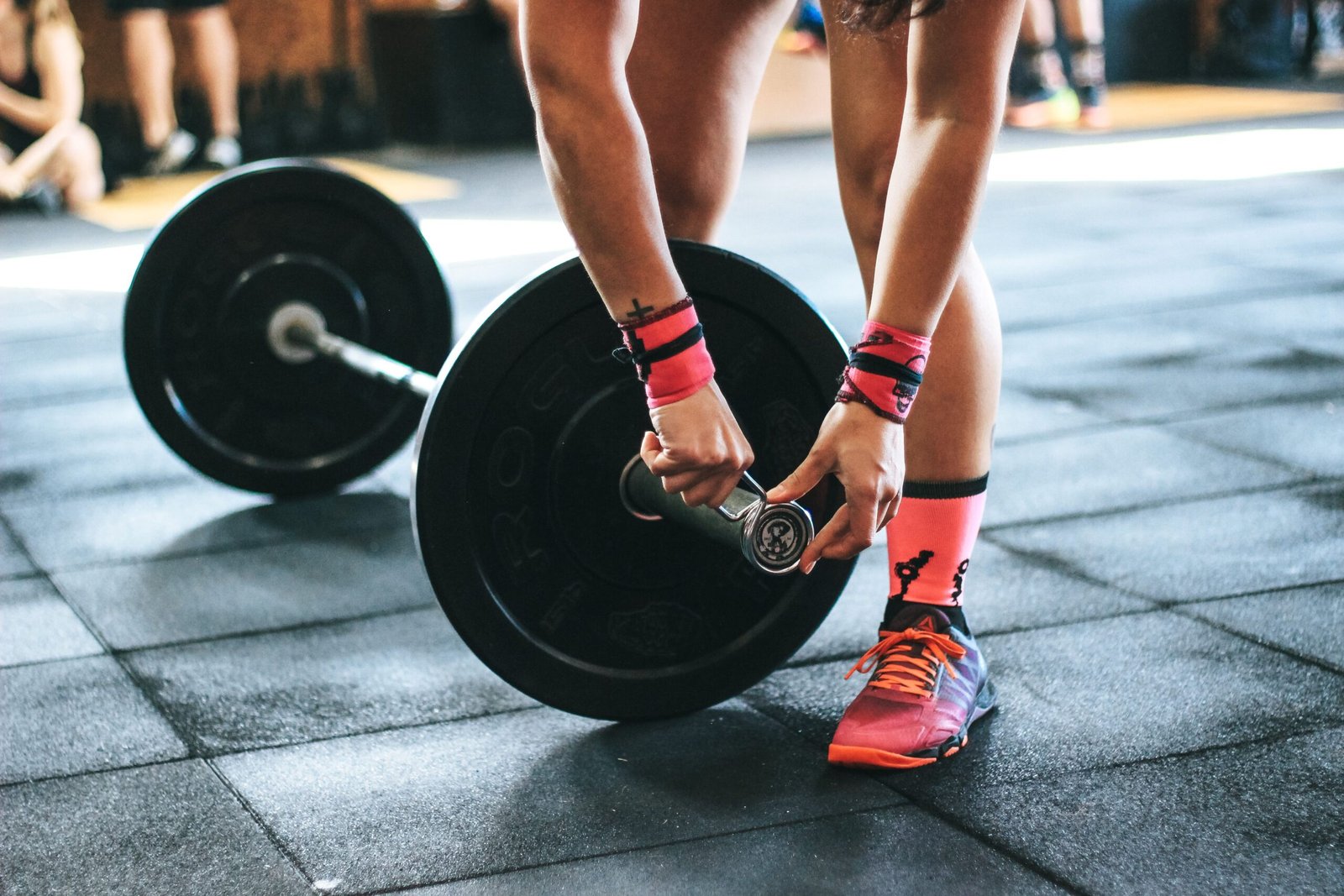
If you’re serious about improving your football performance, strength training for football should be one of the foundations of your weekly routine. Whether you’re aiming to sprint faster, win more tackles, jump higher or stay injury-free throughout the season, a well-designed strength programme can give you a significant advantage over your opponents.
The biggest misconception is that lifting weights makes footballers slow or bulky. In reality, when programmed correctly, strength training for football improves speed, power, agility and resilience without sacrificing mobility or endurance.
This guide explains exactly how footballers should approach strength training, the best exercises to prioritise and how to avoid common mistakes.
Quick Answer Box
What is the best strength training for football?
The best strength training for football focuses on compound movements, unilateral exercises, explosive power and injury prevention rather than bodybuilding-style workouts.
A balanced football strength programme should include:
- Squats
- Romanian Deadlifts
- Split Squats
- Hip Thrusts
- Pull-ups
- Bench Press
- Core Stability
- Plyometrics
Train strength 2–3 times per week alongside football sessions for the best results.
Table of Contents
- Why strength training matters
- How footballers should train
- The best exercises
- Common mistakes
- Recommended equipment
- Scientific evidence
- FAQs
Why This Matters
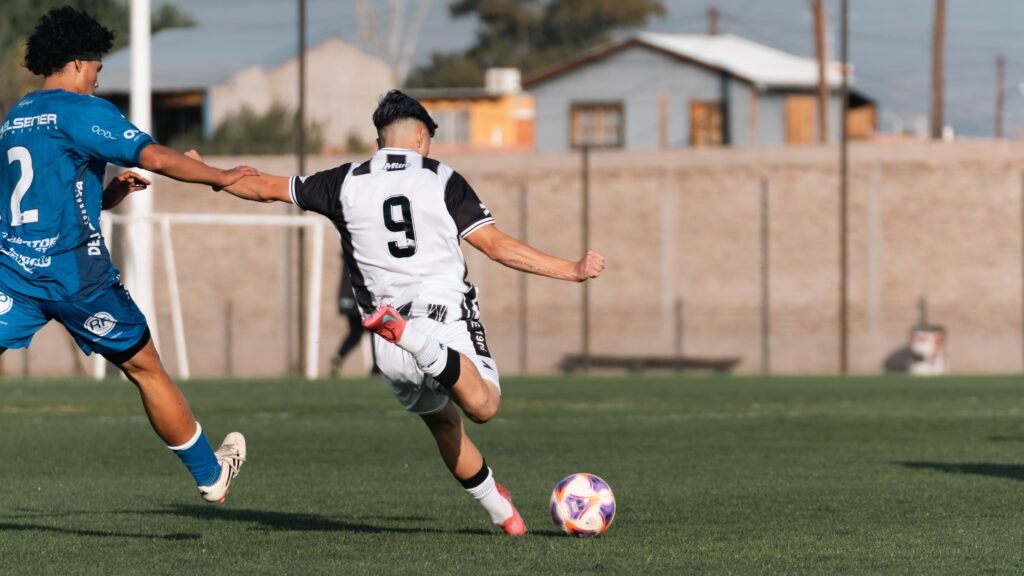
Football demands far more than technical ability.
Players repeatedly perform:
- Accelerations
- Decelerations
- Sprinting
- Jumping
- Tackling
- Changing direction
These actions rely heavily on strength.
Effective strength training for football can improve:
- Sprint speed
- Explosive power
- Jump height
- Balance
- Injury resilience
- Confidence in physical duels
Research consistently shows stronger athletes produce more force, allowing them to move more efficiently while reducing injury risk.
Step-by-Step Guide
Step 1 – Prioritise Compound Movements
Compound exercises recruit multiple muscle groups simultaneously and provide the greatest transfer to football performance.
Key lifts include:
- Back Squat
- Front Squat
- Romanian Deadlift
- Trap Bar Deadlift
- Bench Press
- Pull-ups
- Barbell Rows
Focus on excellent technique before increasing weight.
Step 2 – Train One Leg at a Time
Football is predominantly played on one leg.
Single-leg exercises improve:
- Stability
- Balance
- Coordination
- Injury prevention
Include:
- Bulgarian Split Squats
- Walking Lunges
- Step-Ups
- Single-Leg Romanian Deadlifts
These should form a core part of your strength training for football programme.
Step 3 – Develop Power, Not Just Strength
Strength provides the foundation.
Power determines how quickly you can apply it.
Finish sessions with explosive exercises such as:
- Box Jumps
- Broad Jumps
- Medicine Ball Throws
- Jump Squats
- Bounds
These movements better replicate football actions than traditional bodybuilding exercises.
Common Mistakes
Training Like a Bodybuilder
Footballers don’t need separate “arm days.”
Prioritise full-body strength instead.
Ignoring Lower Body Strength
Strong legs improve nearly every aspect of football performance.
Don’t skip squats and hinge movements.
Neglecting Mobility
Strength without mobility limits movement quality.
Include dynamic warm-ups and flexibility work every session.
Lifting Heavy Every Day
Recovery is when adaptation occurs.
Two or three quality strength sessions per week is usually sufficient alongside football.
Forgetting Progressive Overload
To continue improving, gradually increase:
- Weight
- Repetitions
- Sets
- Exercise difficulty
Recommended Tools & Products
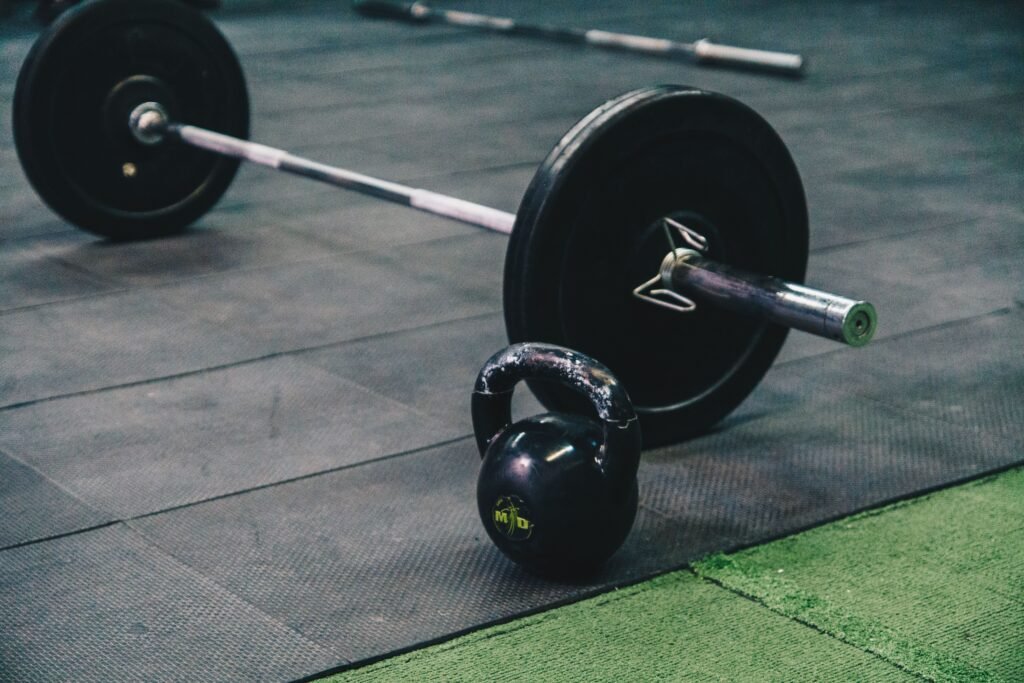
While this guide focuses on training principles, the right equipment can improve the quality of your sessions.
Useful training equipment includes:
- Resistance bands
- Adjustable dumbbells
- Olympic barbell
- Weight plates
- Squat rack
- Pull-up bar
- Plyometric box
- Foam roller
- Mini resistance loops
Looking for the best equipment?
Read our upcoming guide:
Best Strength Training Equipment for Football: Home Gym Essentials Compared
This comparison will review the best products for football-specific strength training and help you choose equipment based on your budget.
Evidence & Science
Research consistently demonstrates that structured strength training for football improves athletic performance.
Studies have found strength programmes can improve:
- Sprint performance
- Vertical jump height
- Change-of-direction speed
- Maximum strength
- Injury resilience
The greatest improvements occur when strength training is combined with plyometric and football-specific training.
Training quality and consistency matter far more than lifting the heaviest weights possible.
FAQs
How many times should footballers do strength training?
Most players benefit from 2–3 sessions per week depending on their match schedule.
Will strength training make me slower?
No.
Proper strength training for football improves speed by increasing force production.
What is the best exercise for footballers?
There isn’t one single best exercise, but squats, Romanian deadlifts, split squats and pull-ups provide excellent all-round benefits.
Should young footballers lift weights?
Yes.
When supervised correctly, resistance training is considered safe and effective for young athletes.
Can I build strength during the football season?
Absolutely.
Simply reduce training volume while maintaining intensity to preserve strength without excessive fatigue.
Related Articles
How to Gain Confidence in Football: A Science-Based Guide to Performing Under Pressure
Creatine for Soccer Players: Benefits, Dosage and How It Works
Protein Shakes for Soccer Players: Do You Really Need Them?
MCL Strain Recovery: A Footballer’s Guide
Best Strength Training Equipment for Football (Coming Soon)
Conclusion
Strength training for football isn’t about becoming a bodybuilder—it’s about becoming a better athlete. By focusing on compound lifts, unilateral strength, explosive power and consistent progression, you’ll improve your speed, strength and resilience on the pitch.
Whether you’re an academy player or competing on weekends, a structured strength programme can help you perform at your best while reducing your risk of injury. Pair this guide with your football sessions, recovery work and good nutrition, and you’ll build a stronger foundation for long-term success.