Primary Keyword: mcl strain recovery
Secondary Keywords: MCL recovery, MCL injury recovery, medial collateral ligament recovery, MCL rehabilitation, football knee injury
MCL Strain Recovery: A Footballer’s Guide to Getting Back on the Pitch
Opening Hook
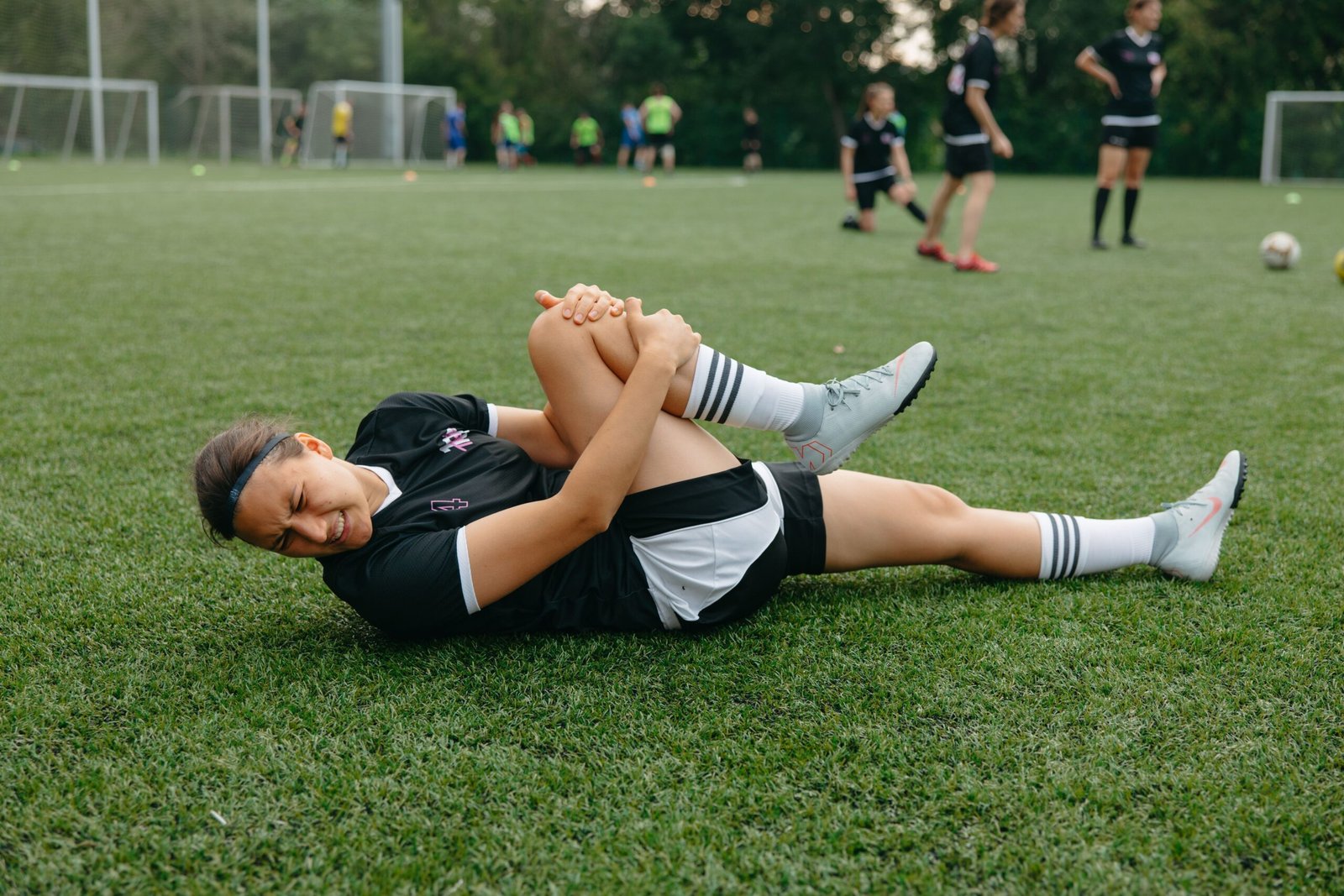
An MCL injury can sideline footballers for weeks or even months, depending on its severity. Whether you picked up your injury during a tackle, awkward landing or sudden change of direction, understanding MCL strain recovery is essential for returning to football safely. The good news is that most MCL strains recover well with the right rehabilitation programme, progressive strengthening and sensible return-to-play decisions.
Quick Answer Box
What is the best approach to MCL strain recovery?
Successful MCL strain recovery usually involves:
- Protecting the knee during the early stages
- Managing pain and swelling
- Gradually restoring knee movement
- Strengthening the muscles around the knee and hip
- Improving balance and stability
- Progressively returning to football-specific drills
Recovery time depends on the grade of the injury:
- Grade 1: 1–3 weeks
- Grade 2: 4–8 weeks
- Grade 3: 8–12+ weeks (sometimes requiring surgery)
Table of Contents
- Why MCL strain recovery matters
- Step-by-step rehabilitation
- Common recovery mistakes
- Recommended rehabilitation tools
- Scientific evidence
- Frequently asked questions
Why This Matters
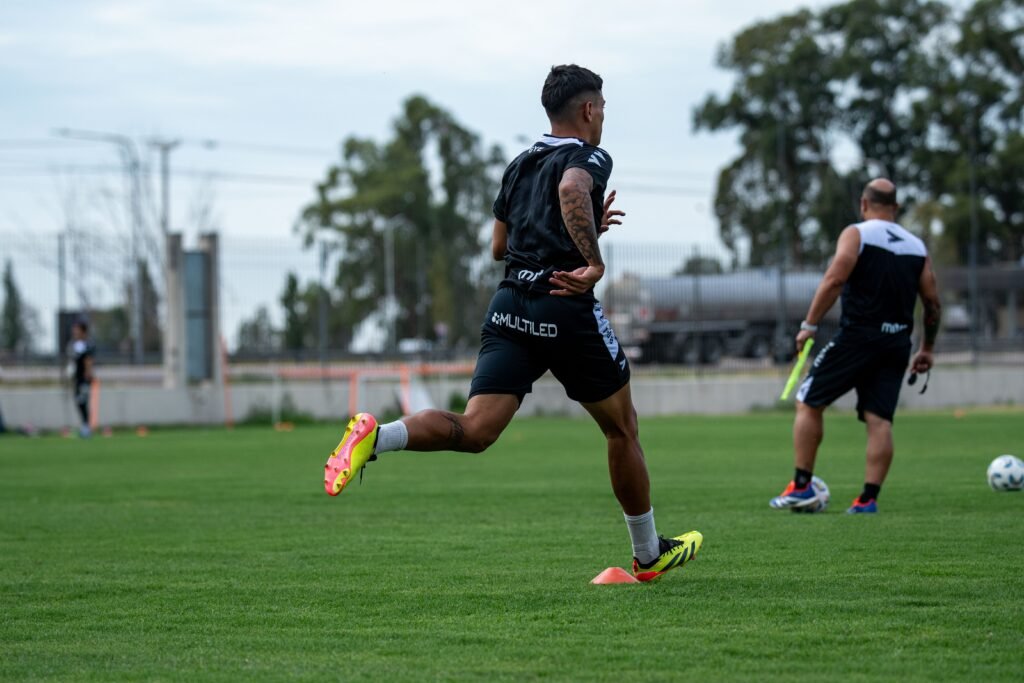
The medial collateral ligament (MCL) sits on the inside of the knee and helps prevent excessive sideways movement. Footballers regularly place stress on this ligament through tackling, twisting, changing direction and landing from headers.
A rushed MCL strain recovery increases the risk of:
- Re-injury
- Chronic knee instability
- Reduced confidence
- Longer time away from football
Following a structured rehabilitation programme helps restore strength, stability and movement while reducing the likelihood of future problems.
Step-by-Step Guide
Step 1 – Protect the Knee and Reduce Pain
During the first few days after injury, the priorities are reducing pain and protecting the ligament.
Recommended strategies include:
- Relative rest
- Ice packs (if helpful for pain relief)
- Compression
- Elevation
- Gentle knee movement within a comfortable range
- Following medical advice if a brace has been recommended
Avoid twisting, pivoting and explosive movements during this stage.
Step 2 – Restore Strength and Stability
Once pain and swelling begin to settle, gradually introduce strengthening exercises.
Focus on:
- Straight leg raises
- Mini squats
- Glute bridges
- Step-ups
- Hamstring strengthening
- Hip strengthening
- Resistance band exercises
- Single-leg balance work
Improving hip and glute strength helps reduce stress on the knee during football.
Step 3 – Return to Football Progressively
The final stage of MCL strain recovery should involve gradually exposing the knee to football-specific movements.
Progress through:
- Walking
- Jogging
- Running
- Sprinting
- Agility drills
- Cutting and turning
- Ball work
- Non-contact training
- Full training
- Competitive matches
Only increase intensity if your knee remains comfortable during and after exercise.
Common Mistakes
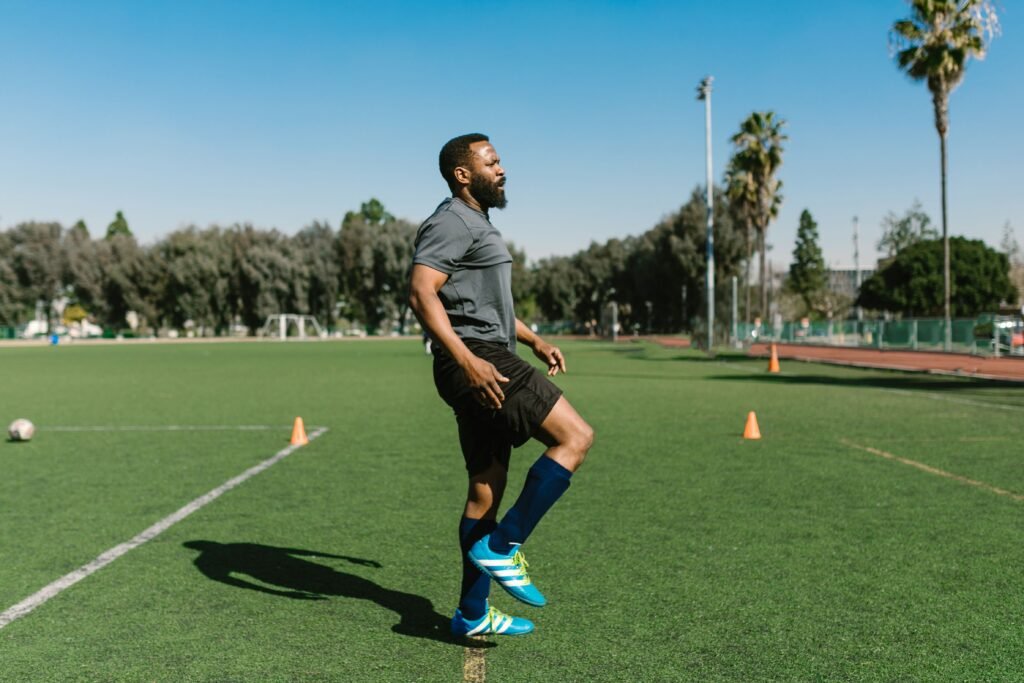
Many footballers delay their MCL strain recovery by making avoidable mistakes.
Returning Too Soon
Pain-free walking doesn’t necessarily mean the ligament is ready for football.
Ignoring Strength Training
Simply resting without rebuilding strength often leads to ongoing instability.
Skipping Balance Exercises
Football requires excellent knee control during cutting and landing.
Training Through Pain
Mild discomfort can be normal during rehabilitation, but increasing pain usually means the knee isn’t ready for the current workload.
Focusing Only on the Knee
Weak hips, glutes and core muscles can increase stress on the knee.
Recommended Tools & Products
While no product can heal an MCL injury on its own, several tools can support rehabilitation and improve comfort.
Resistance Bands
Perfect for strengthening the hips, glutes and quadriceps throughout rehabilitation.
Compression Knee Sleeve
May provide warmth and confidence during later rehabilitation stages.
Foam Roller
Useful for improving mobility in the quadriceps, hamstrings and calves.
Massage Gun
Can help reduce muscle tightness surrounding the knee during recovery.
Balance Board
Excellent for rebuilding stability before returning to football.
Looking for the best rehabilitation equipment? Read our complete guide to the Best MCL Recovery Products for Footballers.
Evidence & Science
Research consistently shows that most isolated MCL injuries respond well to structured rehabilitation.
Current evidence supports:
- Progressive strengthening exercises
- Neuromuscular (balance) training
- Functional rehabilitation
- Gradual return-to-sport progression
Complete immobilisation is generally avoided for uncomplicated injuries, as early controlled movement helps restore function.
While braces may be recommended in some moderate injuries, rehabilitation exercises remain the foundation of successful MCL strain recovery.
FAQs
How long does MCL strain recovery take?
Recovery depends on injury severity.
- Grade 1: 1–3 weeks
- Grade 2: 4–8 weeks
- Grade 3: 8–12 weeks or longer
Always follow advice from your healthcare professional.
Can I play football with an MCL strain?
Continuing to play can worsen the injury. Most footballers should reduce or stop football until they regain strength, stability and pain-free movement.
Do I need surgery for an MCL injury?
Most isolated MCL strains heal without surgery. Severe ligament injuries or combined knee injuries may require specialist assessment.
Should I wear a knee brace?
Some Grade 2 injuries may benefit from a hinged knee brace during the early stages, but this should complement—not replace—a rehabilitation programme.
What exercises are best for MCL strain recovery?
Effective exercises include:
- Mini squats
- Step-ups
- Glute bridges
- Straight leg raises
- Single-leg balance
- Resistance band exercises
- Progressive strengthening
Related Articles
Best MCL Recovery Products for Footballers
Exercises for Patellar Tendonitis: A Footballer’s Guide to Recovery
Best Patellar Tendonitis Bands and Knee Supports for Footballers
Protein Shakes for Soccer Players
Creatine for Soccer Players: Benefits, Dosage and How It Works
Conclusion
A successful MCL strain recovery is about more than simply waiting for the pain to disappear. Football places significant demands on the knee, making progressive rehabilitation essential for restoring strength, stability and confidence before returning to play. By following a structured recovery programme and increasing training intensity gradually, most footballers can return safely while reducing the risk of re-injury.